

Floridaseeds
Cherrybark Oak 10 Seeds Pagoda Oak Quercus pagoda
Cherrybark Oak 10 Seeds Pagoda Oak Quercus pagoda
Couldn't load pickup availability
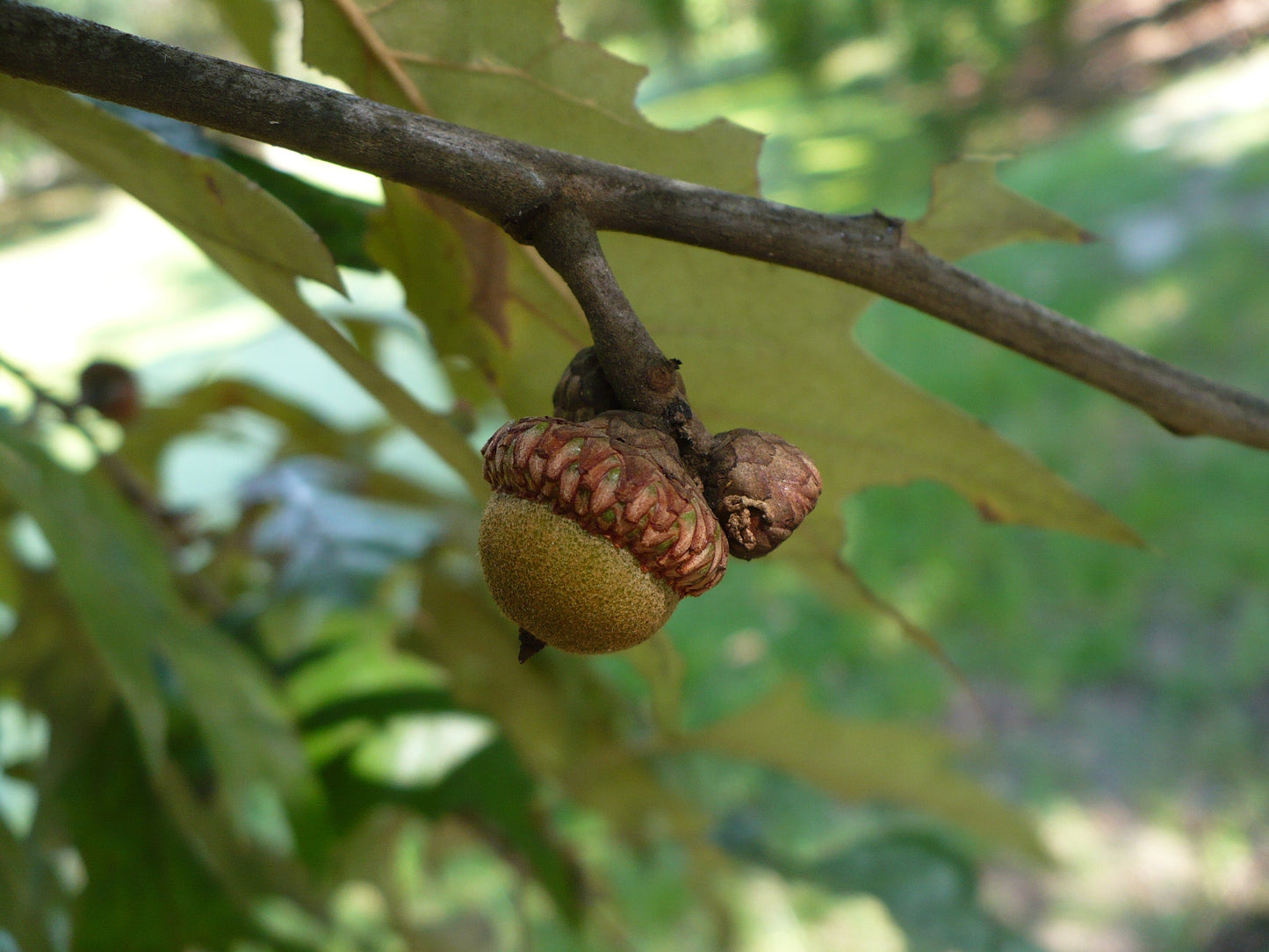
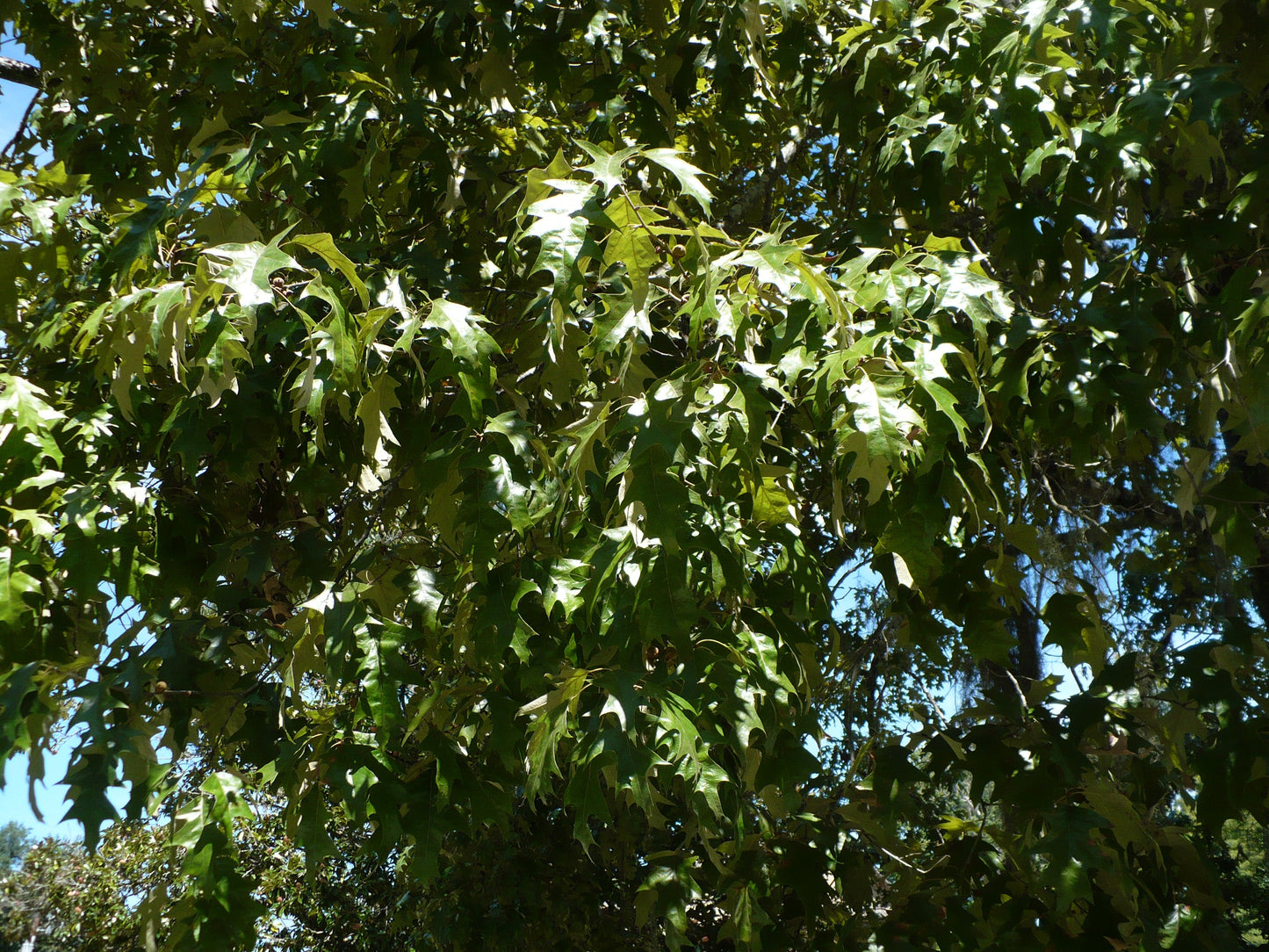
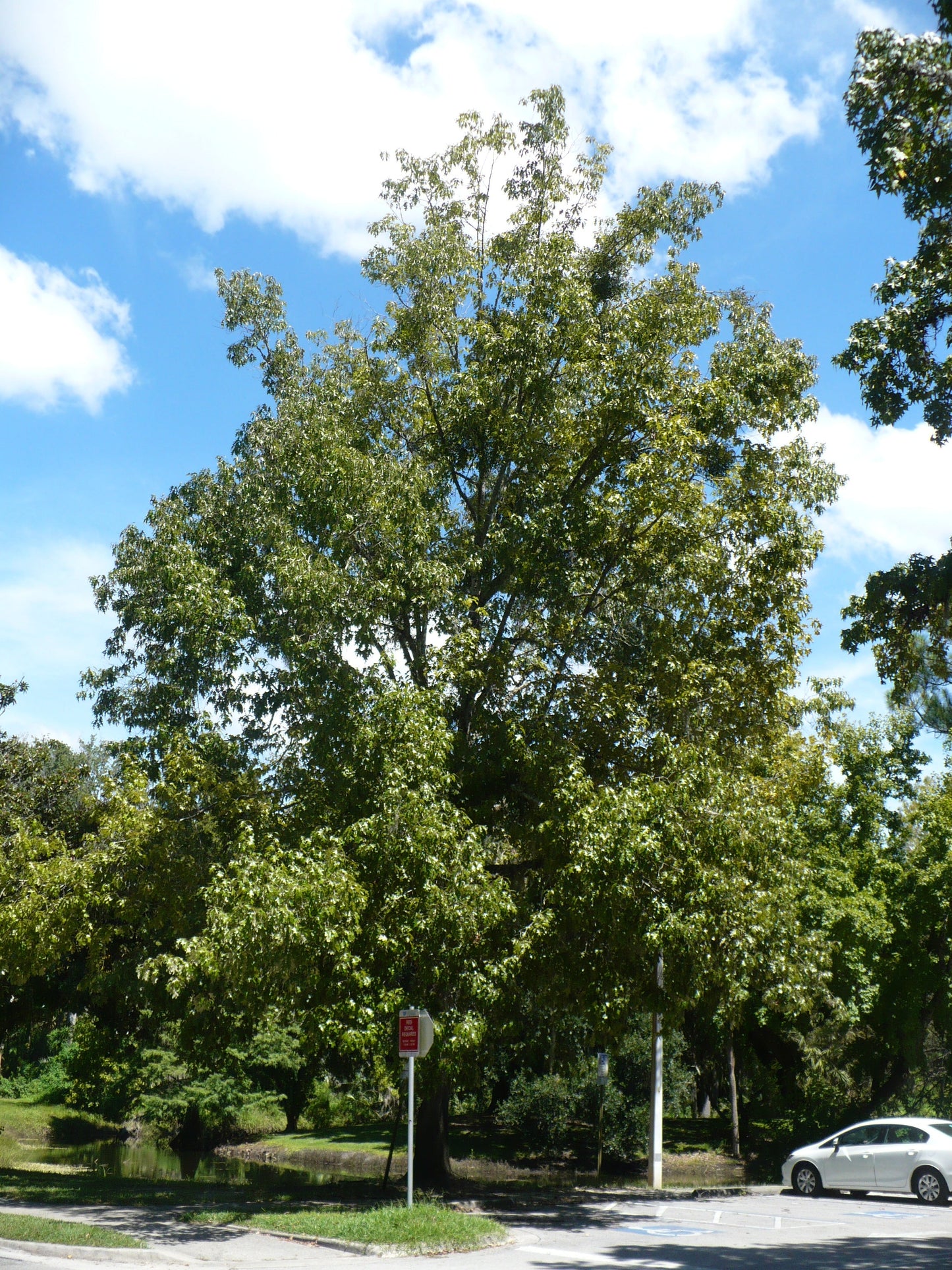
Quercus pagoda, commonly known as cherrybark oak, is a large, stately deciduous tree in the beech family (Fagaceae), native to the southeastern United States. It typically inhabits well-drained bottomlands, river terraces, and upland ridges, where it thrives in fertile, loamy soils and full sun. Reaching heights of 30 to 40 meters (100 to 130 feet) with a straight, tall trunk and a broad, symmetrical crown, Quercus pagoda is one of the most valuable red oaks, both ecologically and economically. Its name “cherrybark” comes from the tree’s dark, scaly, and vertically ridged bark, which resembles that of a cherry tree, while “pagoda” refers to the tiered arrangement of its branches that give mature specimens a pagoda-like silhouette. The leaves are deeply lobed, glossy green above and paler beneath, turning brilliant shades of red in autumn before falling. In spring, the tree produces inconspicuous catkins that release pollen, followed by small, rounded acorns with shallow cups that mature in two years. These acorns serve as a vital food source for wildlife, including deer, squirrels, turkeys, and songbirds. Quercus pagoda plays an essential ecological role in forest ecosystems, providing food, shelter, and nesting sites for numerous species while contributing to soil enrichment through its leaf litter. Its wood is prized for its strength, fine grain, and reddish-brown hue, making it a preferred material for furniture, flooring, veneer, and construction. Adaptable and long-lived, the cherrybark oak also serves as an excellent shade and landscape tree, admired for its regal form and seasonal beauty. As a symbol of endurance, stability, and the richness of southern forests, Quercus pagoda remains one of the most distinguished oaks of North America.
Materials
Materials
Shipping & Returns
Shipping & Returns
Dimensions
Dimensions
Care Instructions
Care Instructions
Share