Floridaseeds
Marshmallow 100 Seeds Althaea officinalis
Marshmallow 100 Seeds Althaea officinalis
Couldn't load pickup availability
Althaea officinalis, commonly known as marshmallow, is a perennial herbaceous plant native to Europe and Western Asia. It is part of the Malvaceae family and has a long history of traditional use for various medicinal and culinary purposes. Here are some key characteristics and information about Althaea officinalis:
Key Characteristics of Althaea officinalis:
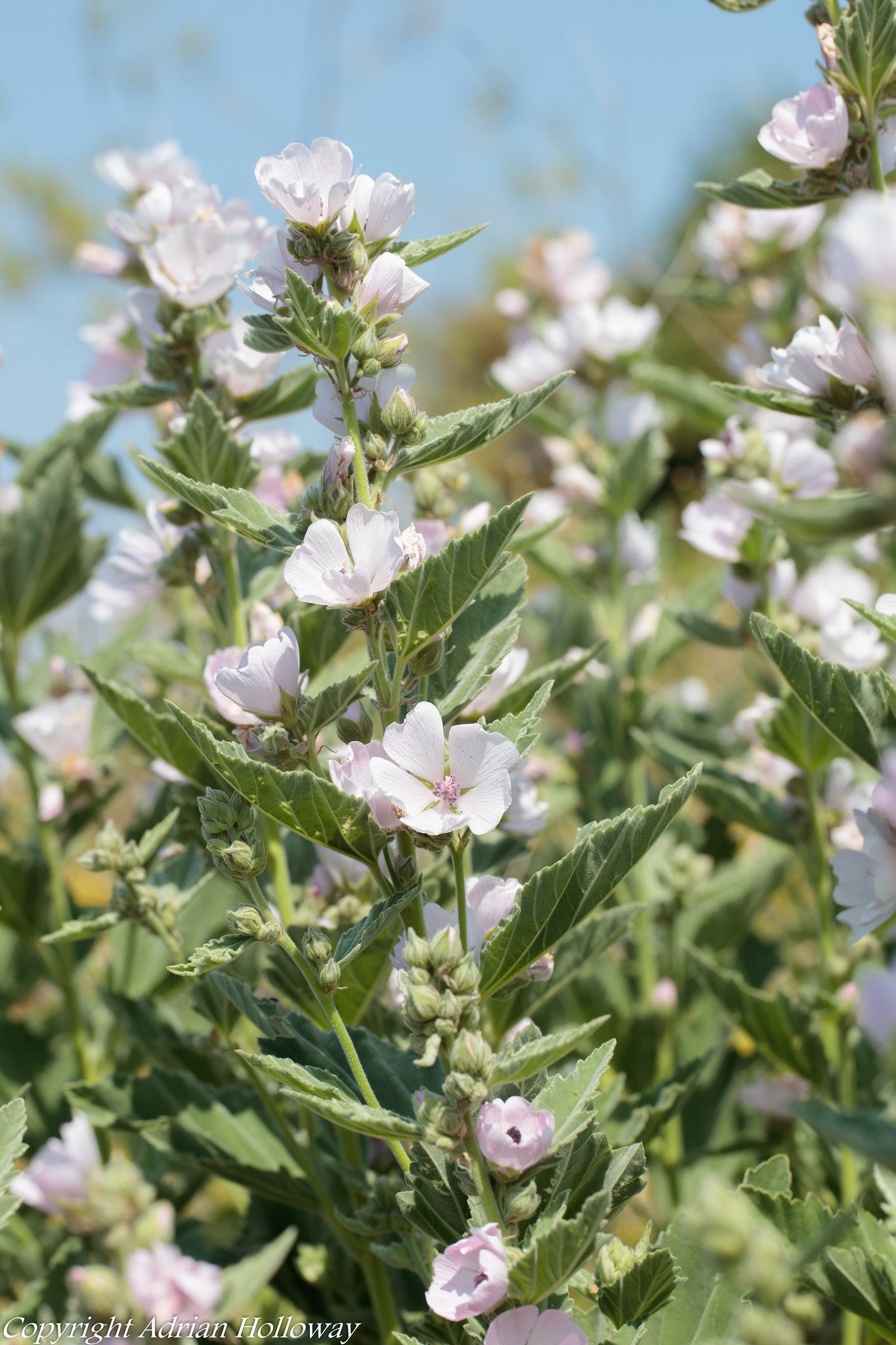
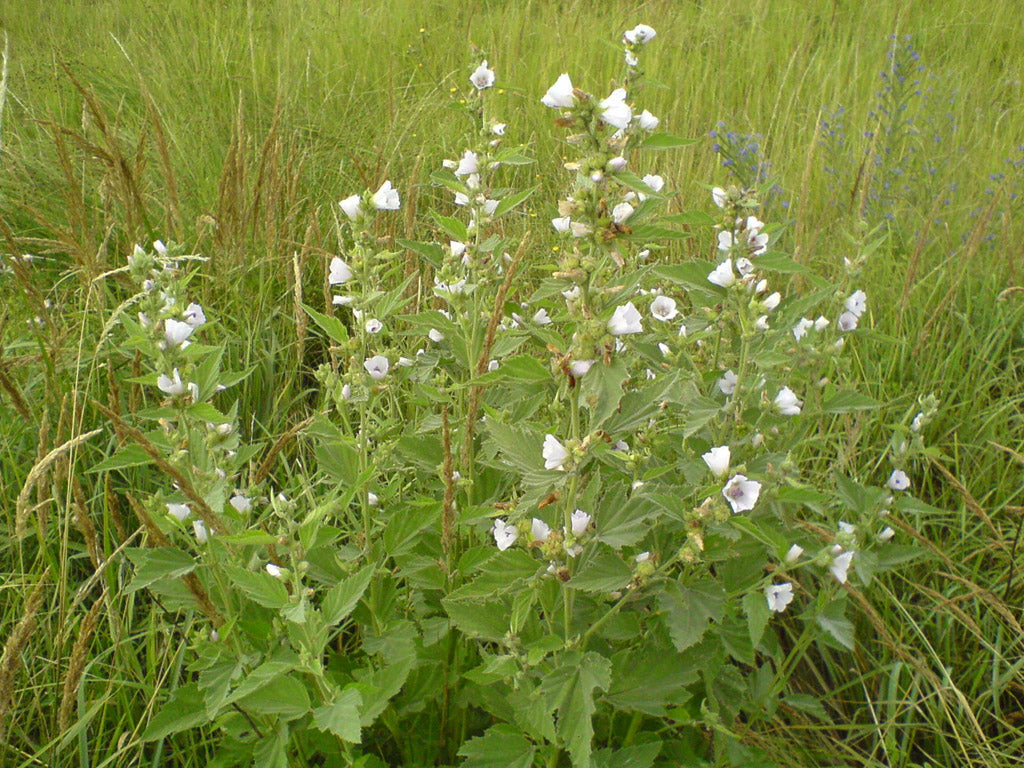
Growth Habit: Marshmallow is a herbaceous perennial plant that can reach heights of 3 to 4 feet (about 1 to 1.2 meters). It has a straight, unbranched stem and a deep taproot.
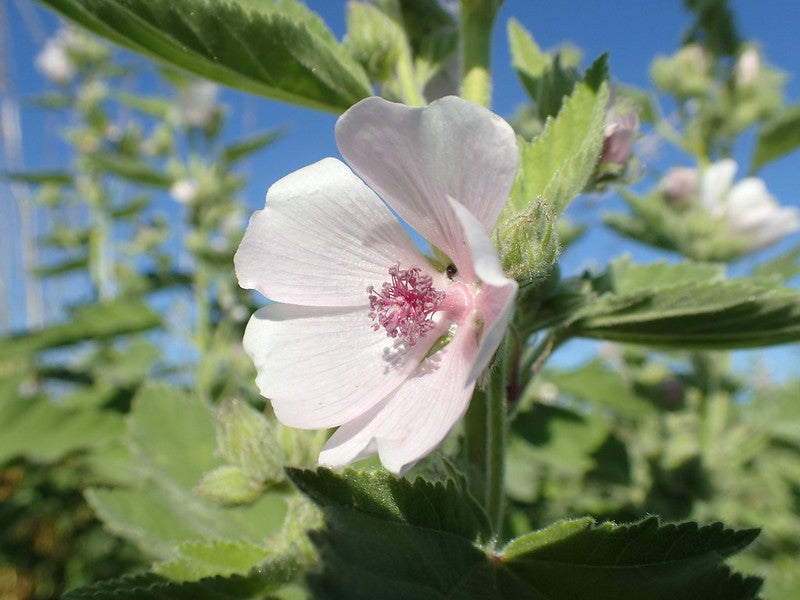
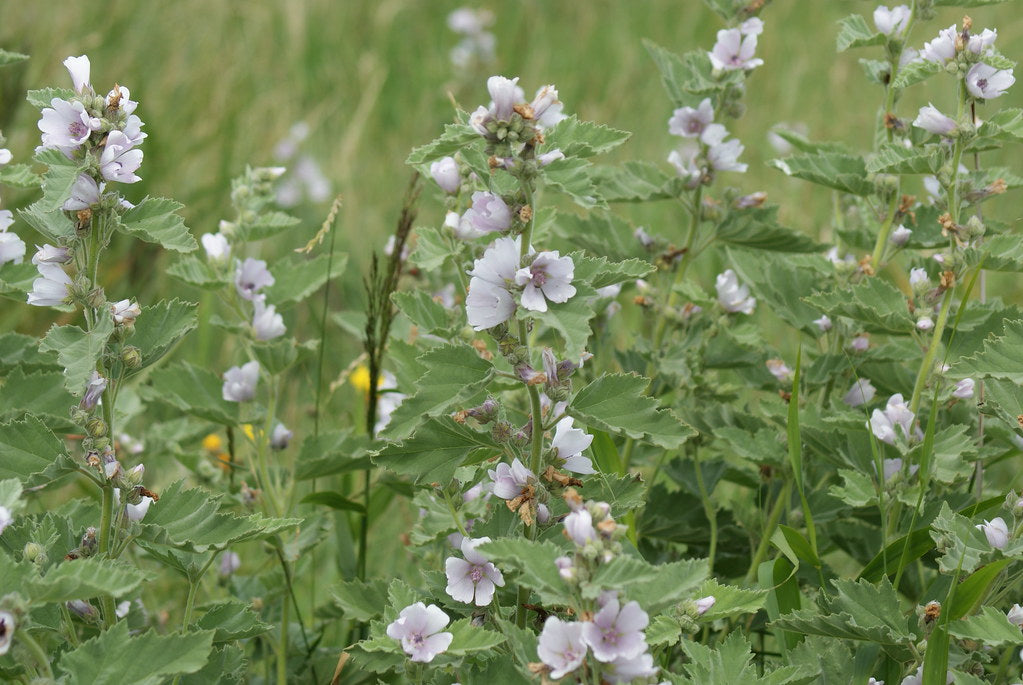
Leaves: The leaves of marshmallow are soft, velvety, and grayish-green in color. They are heart-shaped or palmately lobed, with toothed margins. The leaves are alternate and may have a rough texture due to tiny hairs.
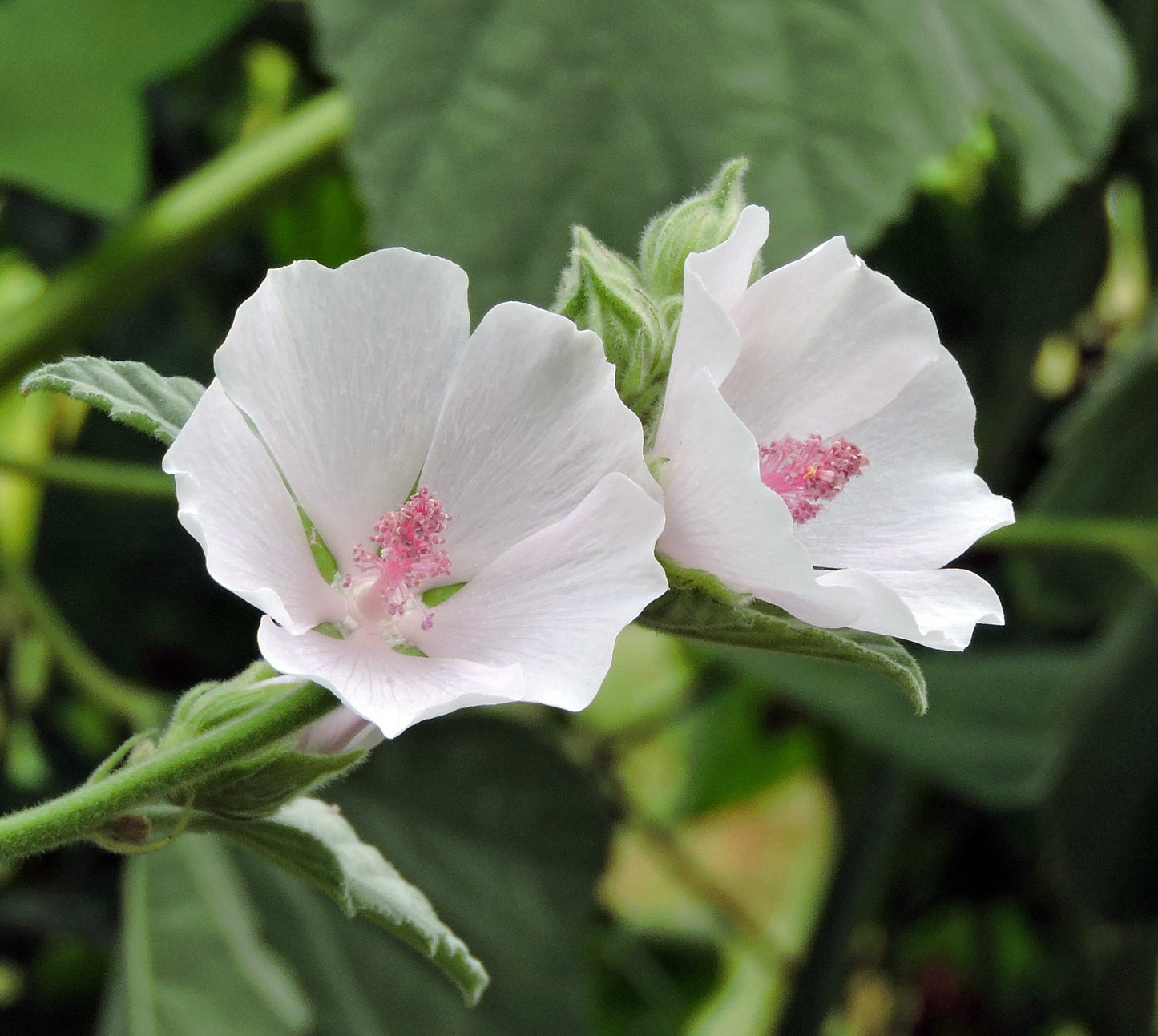
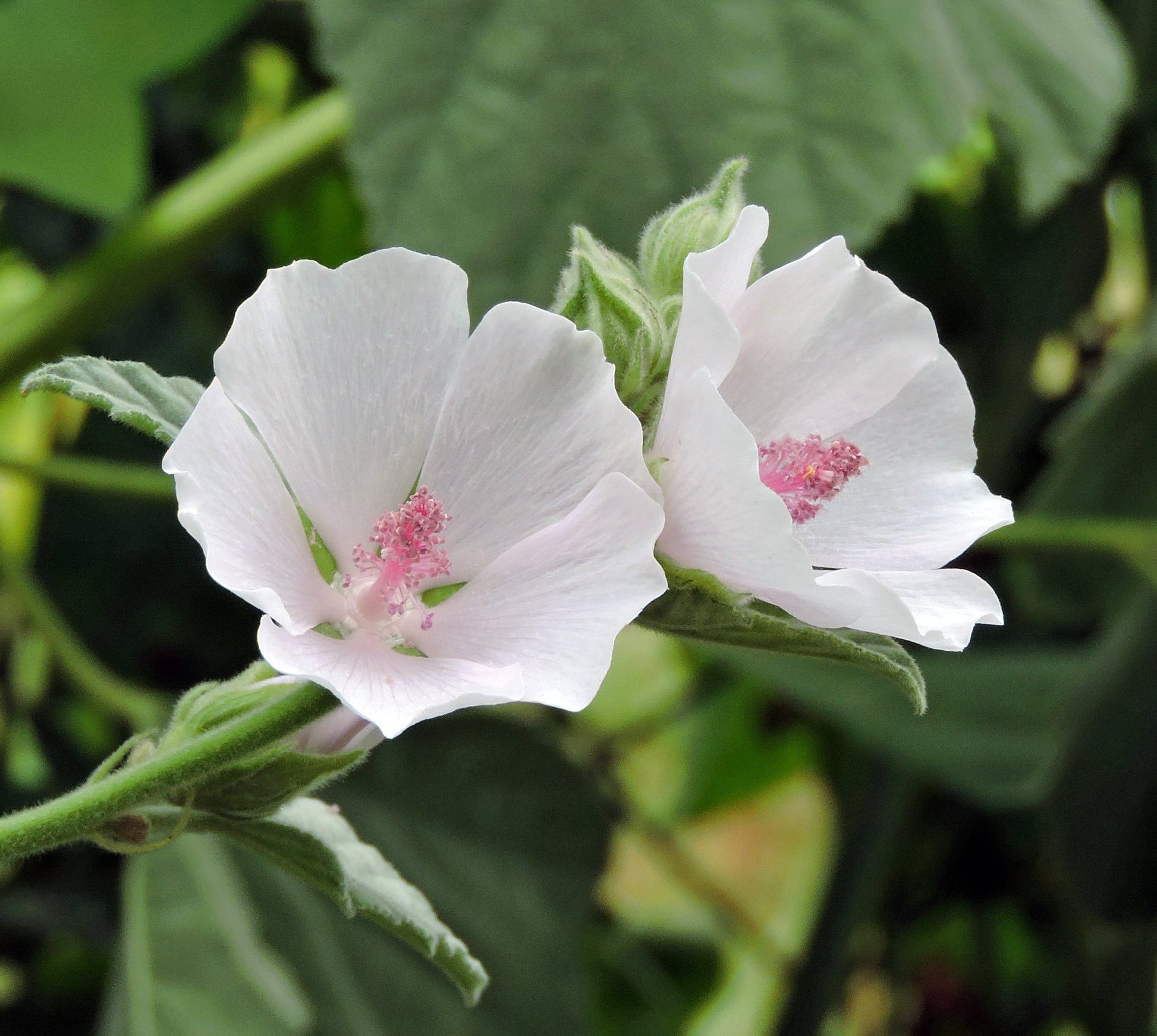
Flowers: Marshmallow produces showy, pale pink to lavender-colored flowers. The flowers are typically 1 to 2 inches (2.5 to 5 cm) in diameter and have five petals. They are arranged in axillary clusters and have a mild, sweet fragrance. Flowering usually occurs in late summer.
Root: The root of the marshmallow plant is the most well-known part for its medicinal and culinary uses. It contains mucilage, a gel-like substance, which has soothing and demulcent properties.
Cultural and Historical Significance: Marshmallow has a long history of traditional use dating back to ancient civilizations, including the Egyptians, Greeks, and Romans. The plant was used for various medicinal purposes, such as treating respiratory conditions, soothing irritated skin, and providing relief from digestive discomfort. In addition to its medicinal uses, marshmallow was traditionally used to make confections.
Medicinal Uses: The mucilage in marshmallow root makes it useful for soothing coughs, sore throats, and digestive issues. It has been used in herbal remedies for centuries and is often consumed in the form of teas, tinctures, or capsules. The leaves and flowers are also sometimes used for their potential mild expectorant and anti-inflammatory properties.
Culinary Uses: In the past, marshmallow sap (extracted from the root) was used to make a sweet, confectionery treat that shares the same name as the plant. Modern marshmallows, however, are typically made from sugar, gelatin, and flavorings.
Habitat: Marshmallow plants thrive in damp, marshy, or wetland areas, as the name suggests. They prefer moist, well-drained soils and are often found near water bodies.
Propagation: Marshmallow can be propagated from seeds or by dividing established plants. It can self-seed and spread if grown in suitable conditions.
Garden and Landscape Use: While marshmallow is grown primarily for its medicinal and herbal uses, it can also be cultivated as an ornamental plant in gardens due to its attractive foliage and delicate flowers.
Materials
Materials
Shipping & Returns
Shipping & Returns
Dimensions
Dimensions
Care Instructions
Care Instructions
Share